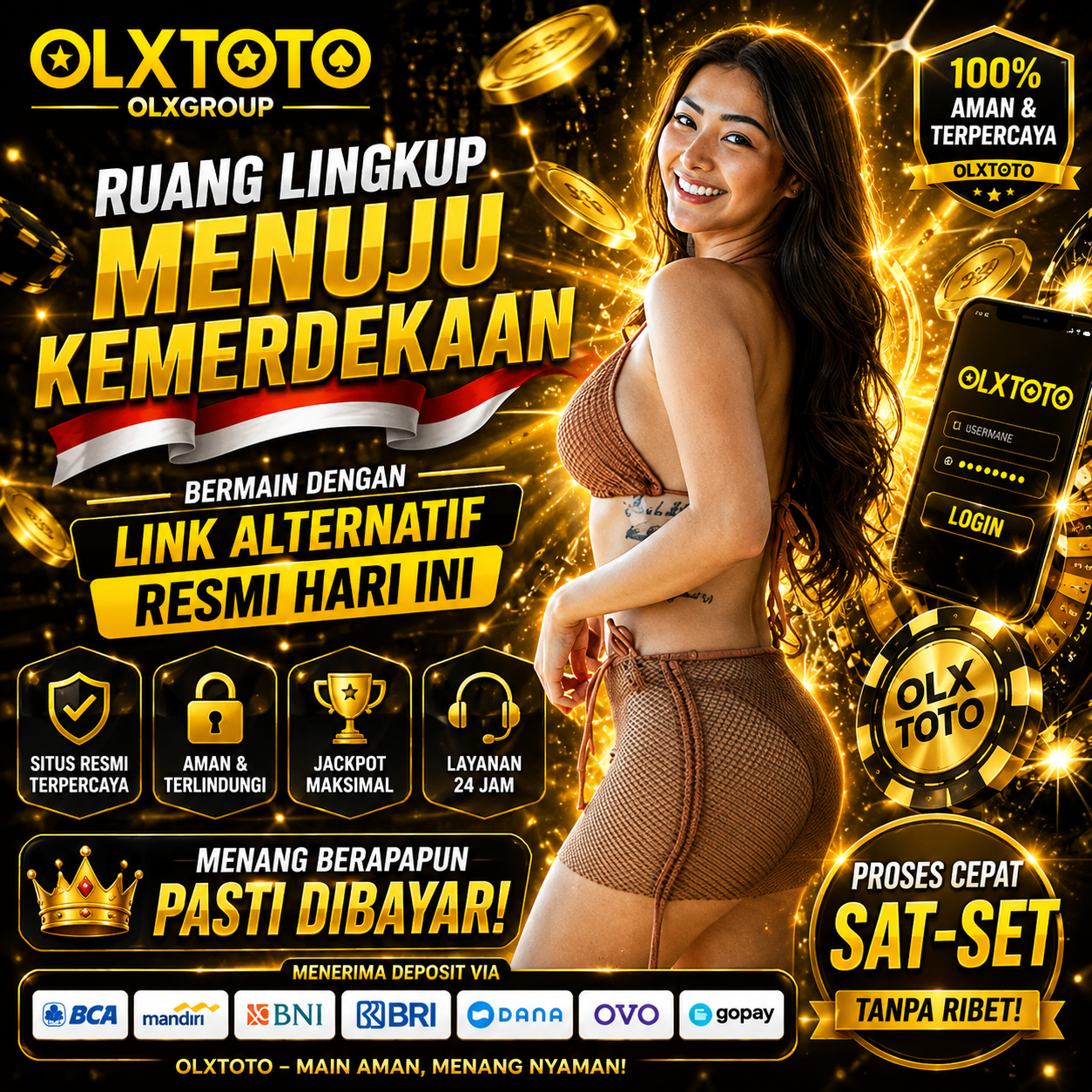
OLXTOTO | Ruang Lingkup Menuju Kemerdekaan - Bermain dengan Link Alternatif Resmi Hari ini
OLXTOTO hadir sebagai wujud nyata kemerdekaan dalam mengakses hiburan daring bagi setiap pengguna setia yang menginginkan kenyamanan tanpa batas. Di tengah dinamika internet modern yang sering kali diwarnai oleh pembatasan jaringan, pemblokiran domain, maupun gangguan teknis tak terduga, kebebasan menjelajah tanpa hambatan adalah kunci utama untuk menikmati pengalaman terbaik. Melalui platform ini, ruang lingkup hiburan digital Anda kini diperluas secara aman dan terbuka, memastikan setiap momen produktif maupun waktu luang Anda tidak terhalang oleh kendala akses yang membatasi ruang gerak Anda.
Untuk mewujudkan kemerdekaan dan kebebasan akses tersebut secara nyata, penggunaan olxtoto link alternatif hari ini adalah solusi paling solutif, cerdas, dan tepercaya. Tautan resmi ini dirancang secara khusus oleh tim pengelola untuk menjembatani Anda langsung ke platform utama dengan jaminan keamanan tingkat tinggi, kecepatan akses yang sangat stabil, serta kelancaran penuh dalam setiap aktivitas di dalam situs tanpa risiko penurunan performa.
Di era digital yang rentan terhadap tindakan penipuan daring, memahami pentingnya membedakan tautan asli dan palsu adalah bagian dari langkah bijak pengguna. Oleh karena itu, pastikan selalu menggunakan link sah yang bersumber langsung dari layanan pelanggan resmi atau pusat informasi tepercaya OLXTOTO. Dengan langkah ini, privasi data tetap terjaga, kelancaran navigasi terjamin, dan kenyamanan bermain Anda dapat dinikmati sepenuhnya tanpa rasa cemas.
Jangan biarkan batasan jaringan atau kendala teknis sementara menghalangi momen seru serta produktivitas hiburan Anda hari ini. Ruang lingkup menuju kemerdekaan digital kini berada di genggaman Anda melalui infrastruktur tautan yang handal. Segera gunakan link alternatif resmi OLXTOTO hari ini, nikmati kebebasan akses tanpa batas, dan rasakan kembali kemudahan bernavigasi dengan rasa aman yang sepenuhnya terjamin dari awal hingga akhir.
FAQ Terbaru Pengalaman Lebih Optimal dengan Link Alternatif
Ungkapan tersebut merepresentasikan komitmen OLXTOTO dalam memberikan kebebasan akses (kemerdekaan digital) kepada para pengguna agar tetap bisa menjelajah, masuk, dan menikmati layanan platform secara leluasa tanpa terhalang oleh pembatasan jaringan atau pemblokiran domain internet.
Penggunaan link alternatif resmi OLXTOTO hari ini sangat penting untuk memastikan Anda mendapatkan jalur akses yang paling segar, stabil, dan aman, sehingga aktivitas bermain Anda tidak terganggu oleh kendala teknis pada alamat situs utama.
Untuk menjaga keamanan data dan akun, pastikan Anda selalu mendapatkan link alternatif resmi OLXTOTO langsung dari sumber terpercaya seperti layanan pelanggan (customer service) atau pusat informasi resmi platform, guna menghindari tautan palsu yang beredar.
Ya, link alternatif resmi OLXTOTO dirancang khusus untuk memberikan performa yang setara dengan situs utamanya, sehingga Anda dapat menikmati kenyamanan, kecepatan akses, dan kelancaran penuh dalam setiap sesi bermain sepanjang hari ini.
Menggunakan tautan dari sumber sembarangan dapat membahayakan keamanan akun Anda karena berisiko mengarah ke situs tiruan (phishing). Oleh karena itu, selalu utamakan link alternatif resmi OLXTOTO demi menjaga kenyamanan serta keamanan data pribadi Anda.
Ulasan Terbaru Pemain Setia OLXTOTO
R
Rian
Jakarta
Mantap sekali! Sempat khawatir nggak bisa login gara-gara internet positif, tapi begitu pakai link alternatif resmi OLXTOTO hari ini, langsung lancar jaya tanpa kendala. Benar-benar memberikan kebebasan akses tanpa batas.
D
Dewi
Surabaya
Awalnya sempat ragu cari tautan di luar, tapi setelah minta link alternatif resmi langsung dari layanan pelanggan OLXTOTO, rasanya jauh lebih tenang. Aksesnya cepat, stabil, dan akun aman. Main jadi lebih nyaman tanpa cemas.
B
Budi
Bandung
Sesuai banget sama sebutannya, pakai link alternatif resmi OLXTOTO hari ini bikin kita bebas dari pusingnya blokir jaringan. Masuk pakai akun lama juga gampang, nggak perlu ribet daftar ulang.
A
Agus
Medan
Nggak perlu menunggu lama atau pusing cari cara buat buka situsnya. Link alternatif resmi OLXTOTO hari ini benar-benar responsif dan cepat banget diakses lewat smartphone. sangat membantu buat yang mobilitasnya tinggi.












 Millions ofpremium assets
 Great
value subscription
Great
value subscription